Entry · Ref N62F5MUB
The Best Community Vibes at a Cafe in Monument, CO
- Posted
- 2026-10-28
- Last amended
- 2026-10-28
- Account
- @elliotgjpj286
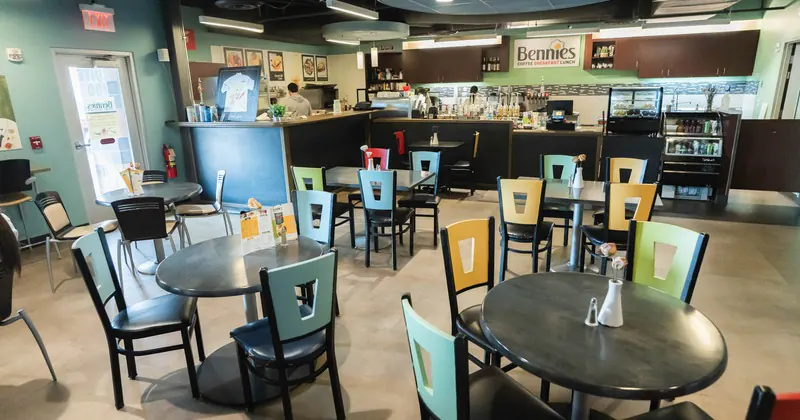
A great cafe does more than pour a reliable latte. It sets a rhythm for the town around it. You can feel that rhythm in Monument, Colorado, where coffee shops often serve as a morning checkpoint, an informal meeting room, a study nook, Cafe Monument, CO and a neighborhood commons all at once. When people talk about the best community vibes at a cafe in Monument, CO, they are usually describing something bigger than décor or drink quality. They are describing a place that makes strangers comfortable, regulars loyal, and newcomers feel like they belong before they have even found a seat.
That kind of atmosphere is harder to build than most people realize. Good community energy does not happen because someone hangs string lights, buys reclaimed wood tables, and adds a local artist wall. Those touches can help, but they do not carry the room on their own. What matters is how the space is used, how the staff moves through it, how noise travels, how long people feel welcome to stay, and whether the place can comfortably hold very different needs at the same time. A parent with a toddler, a retiree catching up with a friend, a contractor grabbing coffee to go, and a remote worker camped out with a laptop all need something slightly different. The best cafes in Monument figure out how to accommodate all of them without losing their identity.
What community vibe actually feels like
People often use the word “vibe” as a shortcut, but it has real components. In a cafe setting, community usually shows up in small moments. A barista remembers a standing order without making a production out of it. Two tables over, someone recognizes a neighbor from a local event and pulls over a chair. There is enough movement in the room to feel alive, but not so much chaos that no one can hear themselves think. The soundtrack sits in the background instead of demanding attention. The line moves well, and the person taking orders does not rush customers through basic human interaction.
That matters in a town like Monument, where residents often want a place that feels rooted rather than transactional. Monument sits in a corridor where growth, commuter traffic, and small-town identity all meet. People here are balancing convenience with connection. A cafe can become one of the few daily spaces where those values overlap. You can stop in for ten minutes or stay for ninety, and either way the experience should feel proportionate, not like the room is built only for one type of customer.
The best community-oriented spots also understand the difference between friendliness and performance. Some places try so hard to appear welcoming that the atmosphere feels scripted. True warmth is more subtle. It shows up in consistent service, not forced banter. It shows up when a staff member reads the room correctly, chatting with the customer who wants to talk and letting the customer with headphones keep their quiet. That kind of judgment is one of the least visible, most important skills in hospitality.
Why Monument responds so strongly to neighborhood cafes
Monument has its own tempo. It is not trying to mimic downtown Denver, and it is not interested in feeling anonymous. People notice when a business takes itself too seriously or chases trends without understanding local habits. A cafe in Monument, CO, tends to work best when it respects both routine and flexibility.
There is a practical reason for that. Residents use cafes differently throughout the day. Early mornings often bring commuters, parents after school drop-off, and people fitting in a quick stop before heading south or toward Colorado Springs. Midmorning shifts into meetings, freelancers, retirees, and service professionals between appointments. Afternoons can be quieter, then pick up again when students, families, and social groups rotate in. If a cafe wants strong community energy, it cannot serve only one of those waves well. It has to adapt.
Climate also plays a role. In colder months, people crave warmth, not just in temperature but in atmosphere. A cafe becomes a refuge from wind, snow, and gray mornings. In milder seasons, outdoor seating suddenly matters much more. Monument residents appreciate places where they can linger with a drink, watch the town move around them, and have a conversation without feeling boxed in. A cafe that handles both indoor coziness and seasonal openness has a real advantage.
Then there is the simple fact that many people are hungry for third places. Home is home. Work is work. But a healthy community also needs a middle ground, somewhere people can gather with low pressure and modest cost. Cafes often carry that role better than restaurants because they invite shorter visits, easier drop-ins, and more casual interaction. You do not need a special occasion or a full evening set aside. You just need 20 minutes and a reason to leave the house.
The signs of a cafe with real local energy
You can usually tell within one visit whether a place has authentic community pull. Not every strong cafe is loud or crowded. Some of the most connected rooms are calm. The difference lies in whether the room feels shared. In a good community cafe, people act like they trust the space. They are comfortable settling in, greeting others, and returning often.
A few signals tend to stand out:
- The staff recognizes regulars without making new customers feel invisible.
- Seating supports both conversation and solo visits.
- The menu offers enough variety for repeat visits, without trying to be everything.
- Local art, events, or partnerships feel integrated rather than decorative.
- People of different ages actually use the space at the same time.
Those details seem basic, but they are not accidental. Seating, for example, tells you what a cafe thinks should happen in the room. If every chair is rigid and every table is tiny, the message is clear: drink fast and leave. If every surface is oversized and packed with outlets, the room may drift too far toward office use and lose some social warmth. The strongest cafes create zones. There is usually a place for a quick coffee, a place for a meeting, and a place to sink into for a while. That balance is one reason some shops become community anchors while others remain simple beverage stops.
Menu design matters in the same way. A cafe with strong community appeal usually offers enough range to accommodate repeat customers with different preferences. That does not mean a 40-item menu. It means a thoughtful spread of drip coffee, espresso drinks, teas, seasonal options, and a few food items that can support a real visit. If someone wants to hold a conversation for an hour, a plain cookie and tiny cappuccino will not always carry the experience. Something more substantial, even if simple, helps people stay.
Staff culture is the whole game
If I had to pick the single biggest factor behind great cafe atmosphere, it would be staff culture. Not branding. Not furniture. Not latte art. Staff culture.
A room takes its tone from the people working in it. When staff members are calm, coordinated, and genuinely attentive, customers settle into that same energy. When employees are tense, inconsistent, or obviously overworked, guests feel it immediately. They may not be able to describe it, but they feel the friction. Orders become purely transactional, and community weakens.
The best cafe teams often share a few traits. They know how to move quickly without appearing frantic. They communicate with each other efficiently. They understand that hospitality is not the same as constant cheerfulness. Most important, they treat regularity as a form of trust. If someone comes in three times a week, that person is not just buying coffee. They are building a habit around the reliability of the place.
That reliability can be surprisingly specific. The opening time needs to mean what it says. The drink should taste consistent. The room should be reasonably clean during busy stretches, not just after the rush. If music volume changes wildly depending on who is working, or if service style swings between warm and indifferent, the cafe loses some of its social glue. Community does not grow well in inconsistent environments.
In Monument, where word of mouth still carries real weight, staff reputation can define a shop. A business that treats customers well during ordinary weekday traffic is more likely to become the place people recommend to a neighbor, visiting family member, or local group organizer. Those recommendations are often based less on the coffee itself than on whether the experience felt welcoming and easy.
Layout, noise, and the hidden architecture of belonging
One of the more overlooked aspects of community vibe is acoustic comfort. A cafe can look beautiful and still fail because it is exhausting to sit in for more than fifteen minutes. Hard surfaces, high ceilings, blaring music, and espresso machine noise can create an environment that photographs well but wears people out. Community spaces need enough sound to feel alive, but not so much that every conversation becomes a competition.
In practice, the best cafes tend to soften the room. Upholstered seating in at least one area helps. So do rugs, curtains, bookshelves, plants, and varied table spacing. Not every Monument cafe will have the same footprint or design budget, but the principle holds across price Cafe Monument, CO points. People stay where they can hear each other, think clearly, and relax their shoulders.
Traffic flow matters too. A common mistake is forcing the ordering line to cut directly through the main seating area. During a rush, that can make half the room feel temporary. Another issue is overcrowding the entrance with retail shelves, pastry displays, and people waiting on drinks. The strongest layouts create a transition. Customers enter, orient themselves quickly, order without confusion, and then move naturally into the room instead of bottlenecking it.
Outdoor space deserves special mention in Colorado. Patio seating can change the entire personality of a cafe in warmer months. Some patrons who might not linger inside for long will happily stay outdoors with a coffee and a pastry. That draws a broader mix of people, including dog walkers, families, and those who simply prefer fresh air. In a town like Monument, where weather and scenery are part of everyday life, outdoor seating is not just a bonus. It can be central to the social character of the business.
The role of regulars, without letting them own the room
Every successful neighborhood cafe has regulars. They are a gift, and occasionally a challenge. Regulars create continuity. They make a cafe feel lived in. When a newcomer walks into a room and sees people who clearly trust the place enough to return again and again, it sends a powerful signal. This is a place worth knowing.
At the same time, regular culture can become too inward if a cafe is not careful. Some spaces begin to feel like private clubs, where everyone knows each other and new faces hover at the edges. The best cafes avoid that trap by keeping interaction porous. Staff welcomes familiar customers warmly, but not in a way that slows service or creates a social barrier at the register. Seating remains open and shared, not dominated by one social group for entire peak periods. Events and community boards invite broader participation instead of serving only established circles.
This balance is especially important in a growing town. Monument attracts long-time residents, newer families, military-connected households, commuters, and visitors passing through. A cafe that reflects the healthiest side of the community makes room for all of them. It lets regulars deepen the atmosphere without turning the room into territory.
Events can help, but they are not the foundation
Some cafe owners assume community must be programmed. Open mics, trivia nights, art shows, book clubs, and charity tie-ins can all be useful, and in the right space they can work very well. But events are an amplifier, not a substitute. If the daily experience is cold or awkward, a monthly gathering will not fix it.
The strongest event calendars grow from the natural habits of the customer base. If people already hold informal meetings at the cafe, a structured networking morning might fit. If local artists use the space, rotating exhibits can add energy without disrupting the room. If families frequent the shop on weekends, a simple seasonal activity can strengthen loyalty. What does not work nearly as well is importing generic events that look good on social media but do not match the actual life of the town.
A good cafe in Monument, CO, does not need to become a nonstop event venue to build community. In many cases, the better approach is to host occasional gatherings while preserving the everyday reliability people count on. A place loses some of its neighborhood value when every evening becomes too crowded, too noisy, or too specialized for ordinary use.
Food and drink still matter, maybe more than people admit
It is tempting to discuss community vibe as though product quality is secondary. It is not. Warmth may get someone in the door once, but dependable coffee and good food options give them a reason to return without making excuses for the place.
A cafe does not need a sprawling kitchen to support strong community use, but it should understand what its customers need at different times of day. Mornings call for speed and consistency. If someone is on their way to work, the drink should be right and the wait reasonable. Midmorning and early afternoon allow more room for lingering, which means food becomes more important. Fresh pastries, breakfast options, or light lunch items can extend visits naturally. Even simple things, done well, help the social life of the room because they make it easier to stay.
Seasonal drinks can also contribute, if handled with restraint. When they are thoughtful rather than gimmicky, they give regulars a reason to try something new and talk about it. That conversation matters more than many owners realize. Shared favorites become part of the local identity of a cafe. People start recommending drinks to each other. A menu item becomes tied to weather, holidays, or weekend routines. That is how a beverage turns into part of the town’s social fabric.
What to look for if you are choosing your own local spot
Not everyone wants the same kind of cafe experience. Some people want energy and conversation. Others want calm, plus the option of a friendly interaction if it happens naturally. The good news is that community does not always mean crowding. It means a place is alive in a trustworthy way.
If you are trying to find the right cafe for your own routine, pay attention to the practical details during your first couple of visits. Visit at two different times, perhaps once on a weekday morning and once on a weekend afternoon. Notice who uses the space, how long people stay, and whether the staff treats different kinds of customers equally well. Watch whether solo guests seem comfortable, whether groups fit without taking over, and whether the room invites repeat use.
A few questions can help frame that evaluation:
- Would you feel comfortable coming here alone?
- Could you hold a conversation without straining?
- Does the menu support the kind of visit you want to have?
- Do the staff seem steady under normal pressure?
- Would you recommend the place to someone new in town?
Those questions get to the heart of community value better than most online reviews. Ratings can tell you whether a drink was good on a given day. They usually say less about whether a space genuinely contributes to local life.
Why the best cafe atmosphere is built over time
The strongest community vibes are rarely instant. They accumulate. A cafe becomes meaningful because of repeated, ordinary use. The parent who starts stopping in after school drop-off becomes the volunteer who meets a committee there twice a month. The retiree who reads the paper alone at first ends up chatting with familiar faces at the next table. The newcomer who tries one cafe in Monument, CO, on a quiet Tuesday may find that six months later it has become their default meeting spot for friends, clients, or family.
That is what the best cafes really offer. Yes, they serve coffee. Yes, they provide comfort and convenience. But at their best, they also lower the social temperature of daily life. They make interaction easier. They give people a place to land between obligations. In a town like Monument, that function matters more than ever.
A cafe with real community spirit does not need to announce itself loudly. You can see it in the easy familiarity between staff and guests, the mix of people sharing the room without competing for it, and the sense that staying a little longer is not only allowed but expected. That is the difference between a coffee stop and a local institution. And when you find it, you tend to return, not just for the drink in your hand, but for the feeling that for half an hour or so, you are exactly where you should be.
Bennies Cafe
17230 Jackson Creek Pkwy Ste 100, Monument, CO 80132
+1 719-445-0660
FAQ About Cafe Monument, CO
What is considered a café?
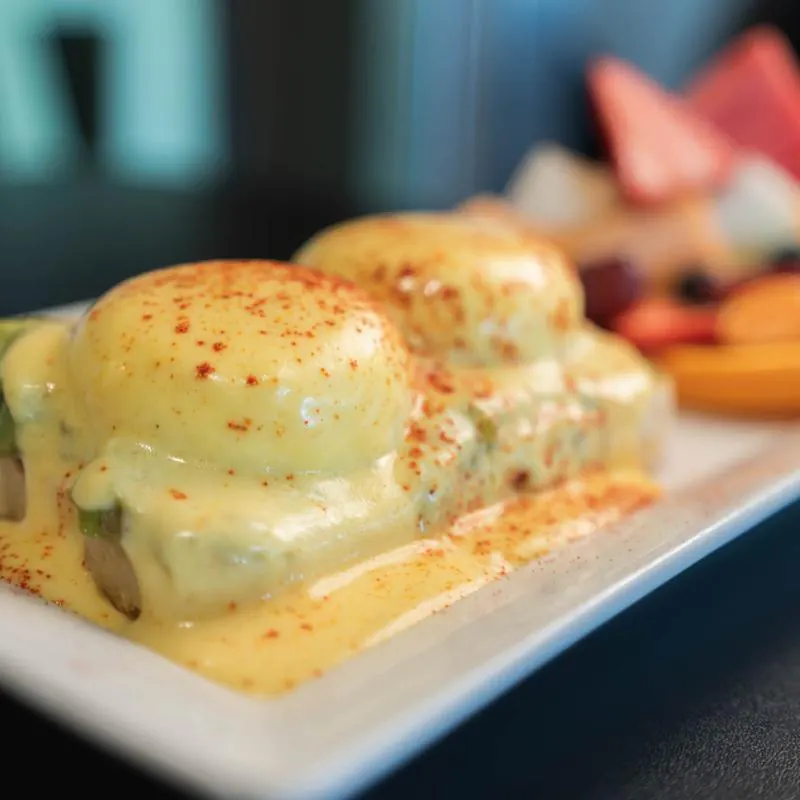
A café is generally an informal place to enjoy refreshments and a meal. Bennies Cafe in Monument serves breakfast and lunch in a counter-service setting, with options including eggs Benedict, sandwiches and crepes. Guests can eat in or arrange pickup.
What is the difference between a coffee shop and a café?
The terms often overlap. A coffee shop usually emphasizes coffee and other drinks, while a café may offer a broader food menu. Check the individual establishment's menu rather than relying on its name. Bennies Cafe offers coffee drinks alongside breakfast and lunch dishes.
What is the difference between café and coffee?
In everyday English, a café is a place where people buy food and drinks, while coffee is the beverage. The word café comes from the French word for coffee. Bennies Cafe serves options such as brewed coffee, espresso and lattes as part of its drinks menu.